
How to Avoid Codependent Relationships With Clients
You started this work to help people heal, but sometimes, helping can morph into complicated, toxic, codependent relationships with clients. If you’re a coach, therapist, pastor, or spiritual guide, you’re not just offering insight or structure. You’re holding space for someone’s pain, growth, and transformation. That’s sacred work. But it can also be risky work, especially when boundaries aren’t clearly defined.
We’ve seen it happen over and over again in progressive Christian spaces: well-meaning practitioners become “experts,” their audiences grow, and their internal boundaries blur. Before long, their relationships with clients begin to shift into codependency. And because so many of us come from harmful systems that never modeled healthy spiritual leadership, we don’t always notice the warning signs until it’s too late.
So let’s talk about how to recognize those signs early, and how to build a healing practice that’s transparent, accountable, and emotionally sustainable for both you and your clients.
Why So Many Progressive Christian Healers End Up in Codependent Relationships
Even when your intentions are good, it’s easy to repeat unhealthy dynamics you were never taught to avoid. Here’s why it happens so often:
- We come from the same broken systems. Many of us were raised in purity culture, toxic churches, or high-control religious environments. We were taught to self-abandon in the name of ministry and to conflate service with suffering. That wiring doesn’t disappear when you hang your shingle as a healer.
- The boundaries are better, but still not healthy. You may have stepped away from “never say no to a hurting soul” theology, but unless you’ve intentionally built a structure for healthy boundaries, the lines often stay soft. Without clear agreements, mutual assumptions fill the gap.
- There’s often little to no accountability. In progressive spaces, spiritual leaders are often self-employed or platform-based. They’re seen as experts, but few have an internal team or council with the skills (and courage) to push back when lines begin to blur.
- The practice structure isn’t built to support boundaries. Many healing practices are bootstrapped and run like small businesses. But healing work isn’t a product—it’s a relationship. And without transparency, written agreements, and policies in place, it’s easy to slide into reactive, unclear, or emotionally entangled patterns.

What Codependency With a Client Can Look Like
Codependent client relationships can show up in obvious or subtle ways. Here are a few signs to look for:
- You feel responsible for their outcomes. You carry their progress as if it were your burden. When they succeed, you feel proud. When they regress, you feel like you failed.
- They expect extended emotional access. Maybe they text you on weekends or message after hours. And instead of reminding them of your boundaries, you respond because you “don’t want to let them down.”
- You’ve become their emotional or spiritual GPS. They’re afraid to take any steps without your validation. Instead of learning to trust themselves, they’ve put their trust in you to keep them safe.
- Your emotional state depends on their behavior. If a client cancels at the last minute or sets a boundary with you, you spiral into shame or worry that they’ll leave. You start adjusting your practice around them.
- You dread sessions with them, but don’t know how to pull back. You find yourself stressed before or depleted after working with them, but feel too guilty to say no.
- You are elated about being the one who finally “heals” them. You start believing that their transformation depends on you—and you alone.
- You’re sharing more and more of your personal life in your sessions. It may be appropriate to share small parts of your story to make a point or normalize something they’re working through. But there’s a point where sharing your story (or even your opinion about them) shifts the balance of the relationship out of the professional realm.
- You feel emotionally or physically attracted to them. Even if you don’t act on your feelings, it is a huge conflict of interest to continue working with clients you have big feelings for.
These patterns aren’t always obvious, and this isn’t an all-inclusive list. Sometimes they start small. But left unchecked, they erode your capacity to hold clean, sustainable space for your clients—and for yourself.
How to Set Healthy Boundaries From Day One
Preventing codependency begins with how you structure the relationship from the beginning. Your clients need to know where the lines are—and you need to feel confident holding them.
Here are a few things that can help protect you from client codependency:
(Please note-I am not an attorney or a legal expert. Make sure you understand the federal, state, and local laws regarding your practice and abide by all licensing/certification regulations in your field.)
- A clear client agreement or contract. Outline your working hours, communication expectations, cancellation policy, confidentiality terms, and how/when you respond to messages. Make it easy to reference and revisit.
- Boundaries around availability. Decide when and how clients can reach you between sessions. Be clear about when you will not be available (evenings, weekends, holidays, etc.).
- Define how to interact outside of the client space. If you’re likely to see each other at church, in community spaces, or online, talk about how you’ll handle it. Do you say hello? Pretend you don’t know each other? Can they tag you in public posts?
- Encourage mutual feedback. Clients should know they can share concerns about how the process is going. Normalize respectful pushback and model it yourself when needed.
- Clarify what they can (and cannot) expect from you. Are you a coach, therapist, or spiritual director? Make sure your scope of practice is clear. Don’t allow the lines to blur by offering things you’re not trained or licensed to provide.
- Get clear on what you expect from them. Communicate your expectations around honesty, participation, respect, and boundaries. Revisit these when necessary.
- Describe your conflict resolution process. What recourse do they have if you act inappropriately? Letting them know who you report to or what governing board oversees your practice can be a good reminder (for you) that there are consequences for crossing ethical lines. It’s also empowering for your client to know support is available beyond your relationship.
- Meet regularly with a supervisor or professional mentor. Sometimes we don’t see the blurred lines until we are discussing things with someone more objective. Don’t wait until there’s an issue. Create this relationship early in your practice.
- Become a student of your own trauma, healing, and vulnerabilities. Your work doesn’t end when you start helping others. If anything, it amps up when you hold space, because it challenges another layer of the unhealthy beliefs and behaviors you were taught.

How to Know When You’re Slipping Into Codependence
Even with structures in place, you may occasionally find yourself drifting toward enmeshment. Here’s how to recognize it early:
- You feel anxious when they don’t respond. You check your inbox or messages multiple times. You worry something’s wrong—or that you said something wrong.
- You notice yourself venting about them to others. This might be subtle: “I’m just worried about them,” or “I don’t know what else to do.”
- You’re bending or breaking your own rules for them. You take calls late. You shorten breaks between sessions. You’re emotionally invested in “fixing” them.
- You feel like they need you. And it makes you feel important, special, or irreplaceable.
- You react defensively when they set a boundary. You feel rejected, angry, or hurt—even if the boundary is healthy and appropriate.
- You delay ending the relationship even when it’s not working. You rationalize, avoid hard conversations, or shift into emotional caretaking.
How to Step Back With Integrity
If you realize you’ve crossed a line, you’re struggling not to, or allowed someone else to, take swift action, but don’t panic. You can shift the relationship with honesty, clarity, and care.
- Acknowledge the shift directly. “I’ve noticed I’ve been responding to messages outside our agreed hours, and I want to honor the boundaries we set at the beginning.”
- Reset expectations. Revisit your contract or client agreement. Remind them (and yourself) what you both agreed to.
- Name any emotional enmeshment, clearly. “I care about your wellbeing deeply, but I realize I’ve started carrying more of this than is healthy. It’s best if I refer you to a more objective provider.”
- Give a timeline and support for ending the relationship, if needed. If the work has become unsustainable or unsafe, offer a referral or transition plan.
- Document what happened and review how you responded. This is why we all need supervisors/mentors to ensure we do what is right in messy situations.
Don’t ghost them. Don’t make up an excuse about why you can’t see them anymore. Just be professional, kind, clear, and direct.

What If You’re Called Out After You’ve Already Crossed the Line?
Sometimes, clients will name harm you didn’t realize you caused. It’s tempting to go into defense mode or quietly disappear—but that won’t help anyone heal.
Instead:
- Listen before speaking. Even if you don’t agree with everything, try to understand what they experienced.
- Take responsibility where you can. “I didn’t realize how I impacted you, and I’m sorry.”
- Don’t center yourself. This isn’t about your intent or your shame. It’s about their experience and your response.
- Ask what repair looks like to them. They may want a conversation, a boundary, or simply space. Honor what’s possible.
- Share their feedback with your mentor/supervisor. Ethically, and for your peace of mind, it’s important to lean on your support.
For a deeper dive on how to handle this well, read I Messed Up, Now What?
Becoming a Healthy Healer is Essential to Your Health and Work
You don’t have to be perfect to be safe. But you do need structure, honesty, and community around you. This work isn’t meant to be done in isolation. Surround yourself with colleagues who will help you stay accountable, remind you of your humanity, and reflect your values back to you when the lines get blurry.
Healing often happens in a relationship, but only when both people can bring their whole selves without losing themselves in the process.
Remember:
- You are allowed to be a strong, compassionate guide without over-functioning.
- You’re allowed to care deeply without being responsible for someone else’s path.
- You’re allowed to hold space without holding yourself hostage to codependency with clients.
Being a healthy healer with firm boundaries is good, sacred work.
Ready for Help Growing a Healthy Coaching, Therapy, or Ministry Practice?


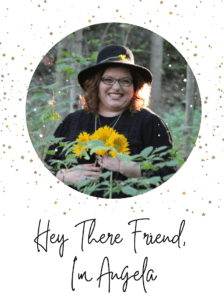
Angela Herrington is a spiritual coach and seminary-trained online pastor who has spent more than a decade helping people break free from toxic religious culture. She is the host of The Deconstructing Faith Summit, a Lark’s Song Certified Life Coach, a dynamic conference speaker, and the author of Deconstructing Your Faith without Losing Yourself. Her work has been featured in The New Republic, Religion News Service, Hope for Women magazine, and Authority Magazine.
She’s a firstborn, Enneagram 8, Gen Xer who loves to question everything. She holds a BA from Indiana Wesleyan and a Master in Leadership from Wesley Seminary. Her graduate research project focused on leadership development and opportunities for Gen X women in the US church.
Angela and her unique online ministry are featured in Lyz Lenz’s 2019 book God Land: Story of Faith, Loss, and Renewal in Middle America. She has published articles in Hope for Women and HOPE is Now magazines. She has been featured in The New Republic, Publisher’s Today, and Religion News Service.
Her first book, Deconstruct Your Faith Without Losing Yourself (Eerdmans February, 2024), shares her decade of experience as a coach in Christian spaces, personal stories, a hefty dose of compassion, and her trademark Gen X humor.
Her second book, Embracing the Old Witch in the Woods: Liberating Feminine Wisdom from Christian Patriarchy (Broadleaf, October 2025), is a road map for readers ready to challenge limiting beliefs, confront systemic injustices, and reclaim their inherent worth and wisdom. It helps readers reclaim feminine wisdom in order to liberate ourselves, our communities, and our souls, gaining strength and resilience through our connection to ourselves and to each other.
Angela is also a wife, a mom to 5, and a proud resident of Indiana, with her family when they’re not traveling the US in their RV.