

How Purity Culture Undermines Healthy Body Relationships
Christian teachings often hold powerful potential for embodied living. Jesus healed through touch, honored physical suffering, and made the body central to faith through practices like communion and foot washing. His incarnation was a radical affirmation that the divine can dwell in human flesh.
But an Embodied faith was not the version of Christianity most of us were handed.
In purity culture, especially the kind that rose in evangelical spaces in the 1990s and 2000s, the body was framed as dangerous. Desire was a threat. Women’s bodies, in particular, were seen as stumbling blocks for men. We were taught that our holiness depended on modesty, silence, and self-erasure.
This version of faith taught us to disconnect from our physical selves. To mistrust our own desires, to numb out pain or hunger, to see our worth as tied to sexual “purity.” Girls were warned that even unintentional attraction from others could make them responsible for someone else’s sin. That weight of shame left deep marks. For many, it made the body feel unsafe, unpredictable, or even a source of betrayal.
Purity culture doesn’t just ignore the body—it actively teaches us to mistrust it. This messaging shows up in:
-
Modesty rules that shame us for how we dress, move, or even exist in public spaces.
-
Gendered teachings that tell women their bodies are temptations and men are powerless against them.
-
Abstinence-only sex ed that uses fear and shame instead of empowerment and consent.
-
The idolization of virginity, a made-up concept that reduces our worth to what we have or haven’t done with our bodies.
These teachings very quickly distorted the way we related to our bodies. We may struggle with boundaries, experience anxiety around touch, or find ourselves out of sync with hunger, pleasure, and intuition. These aren’t always isolated problems. Instead, they are symptoms of systemic disconnection with our bodies.
To heal, we need to reclaim the truth: our bodies are not the problem. They are sacred, intuitive, and trustworthy. Jesus never asked us to shame or silence our physical selves. That distortion came from systems built to control, not liberate. All of this creates a harmful legacy of fear, shame, and confusion. Many people raised in these systems struggle with anxiety, disordered eating, low self-esteem, or sexual dysfunction. And because these teachings are framed as “God’s will,” it becomes even harder to unlearn them.
Embodiment invites us to return to a deeper truth where we live fully in our skin, reclaim our sacred rhythms, and honor the wisdom within.
So a big part of why embodiment matters is because it’s the key to healing from purity culture. Learning to settle into ourselves helps block out the voices that say our bodies are a problem to fix. Your body is a sacred part of you and a source of wisdom that can be your most trustworthy partner in your healing.

Embodiment Across Other Faith Traditions
Many religions view the body as a central part of spiritual practice:
-
Judaism celebrates embodied rituals like dance, fasting, feasting, and mikvah (ritual bathing).
-
Islam includes physical movements like bowing and prostration in daily prayer.
-
Buddhism teaches mindfulness through breath and posture, inviting awareness of the present moment.
-
Indigenous traditions often include drumming, movement, and earth-based rituals that connect the body to community and land.
Embodiment is not new. It’s a timeless part of how humans have always connected with the sacred.
The Role of Privilege in Embodiment
While embodiment is a right we all share, access to it is not always equal. Gender, race, socioeconomic status, religious trauma, disability, and other intersecting identities shape how safe it is for someone to be in their body—and how much support they have in doing so.
Many people carry trauma not only from personal experiences but from generations of systemic oppression. For example:
-
Women and femmes of color often navigate both racialized and gendered violence that makes embodiment feel unsafe or even dangerous.
-
Trans and nonbinary people are often denied autonomy over their bodies and subjected to laws or theology that invalidate their identities.
-
People living with disabilities or chronic illnesses may feel disconnected from embodiment discourse that assumes mobility, energy, or certain types of sensation.
-
Those raised in strict religious environments may have been taught to suppress bodily needs or treat their body as inherently sinful, limiting their ability to feel at home in themselves.
-
Low-income individuals may lack access to healthcare, therapy, nourishing food, or safe spaces to practice embodiment.
So while we affirm that embodiment is sacred and meant for everyone, we must also recognize the barriers many people face. Embodied healing doesn’t exist in a vacuum.
It requires systemic change, inclusive practices, and an awareness of privilege in a way that respects each body’s story and lived experience.

What Science Says About Why Embodiment Matters
Embodiment is not only spiritual—it’s biological.
-
Embodied cognition theory shows that how we move and sense the world shapes learning, memory, emotion, and reasoning. Our thoughts aren’t separate from our bodies.
-
A study on somatic yoga found that it reduces trauma symptoms, improves flexibility and mental resilience, and may decrease chronic pain and anxiety.
-
Behavioral science research with adolescents revealed that simple embodied tasks like breathing and movement enhanced flow states and cognitive engagement more than mental-only interventions. MDPI
-
Touch, whether from another person or weighted blankets, reduces pain, anxiety, and depressive symptoms, supporting not only emotional safety but physical healing. The Guardian
-
Interoception, or awareness of internal body signals (like heartbeat or hunger), is central to emotional regulation. Disruptions in interoception are linked to anxiety, depression, PTSD, and eating disorders.
Together, these findings affirm: embodiment practices aren’t optional. They support real change in brain, body, and spirit.
How Embodied Living Changes Us
When we come back to our bodies, everything shifts.
-
We feel more grounded and calm. The nervous system regulates better when we listen to it.
-
We access deeper wisdom. Intuition becomes clearer when we’re not cut off from sensation.
-
We build trust with ourselves. When we honor what we feel, we stop abandoning ourselves.
-
We become more compassionate. Embodiment softens judgment—of ourselves and others.
-
We experience the sacred in new ways. Spirituality becomes something we live, not just think about.
Embodied living isn’t perfect or easy. But it is honest. It’s present. It opens the door to healing we can actually feel, not just understand.

Simple Embodiment Practices to Try
Embodiment isn’t a luxury. It’s a birthright. It’s how we come home to ourselves, how we listen to God in our bones, and how we start to heal what systems like purity culture tried to erase.
If you’re just beginning to explore embodiment, go gently. You don’t have to get it perfect. Just focus on learning that your body has always been part of your sacred story and together, you are everything you need.
You don’t need hours or fancy tools to reconnect with your body. Try:
-
Placing your hand on your heart and taking five slow breaths.
-
Swaying to music you love, even for 30 seconds.
-
Sitting in silence and noticing how your body feels, without judgment.
-
Walking barefoot in the grass or on your living room carpet.
-
Noticing when your body says “yes” or “no” to a situation.
For more ideas, visit AngelaJHerrington.com/daily-embodiment-practices
Now that you understand why embodiment matters, keep learning with these free resources.
Ready to Try a Few Embodiment Practices?
Grab This Free Tracker!

Download your FREE Embodiment Practice Tracker below and see what you notice over seven days.
What's Inside:
-
20+ soul-nourishing activities you can do in a few seconds or few minutes.
-
Practical tips for building consistent habits (even if it feels awkward at first).
-
A printable tracker with spots to jot a few notes about your experiences.

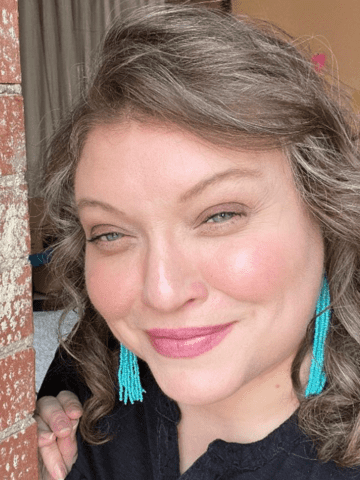
Angela Herrington is a spiritual coach and seminary-trained online pastor who has spent more than a decade helping people break free from toxic religious culture. She is the host of The Deconstructing Faith Summit, a Lark’s Song Certified Life Coach, a dynamic conference speaker, and the author of Deconstructing Your Faith without Losing Yourself. Her work has been featured in The New Republic, Religion News Service, Hope for Women magazine, and Authority Magazine.
She’s a firstborn, Enneagram 8, Gen Xer who loves to question everything. She holds a BA from Indiana Wesleyan and a Master in Leadership from Wesley Seminary. Her graduate research project focused on leadership development and opportunities for Gen X women in the US church.
Angela and her unique online ministry are featured in Lyz Lenz’s 2019 book God Land: Story of Faith, Loss, and Renewal in Middle America. She has published articles in Hope for Women and HOPE is Now magazines. She has been featured in The New Republic, Publisher’s Today, and Religion News Service.
Her first book, Deconstruct Your Faith Without Losing Yourself (Eerdmans February, 2024), shares her decade of experience as a coach in Christian spaces, personal stories, a hefty dose of compassion, and her trademark Gen X humor.
Her second book, Embracing the Old Witch in the Woods: Liberating Feminine Wisdom from Christian Patriarchy (Broadleaf, October 2025), is a road map for readers ready to challenge limiting beliefs, confront systemic injustices, and reclaim their inherent worth and wisdom. It helps readers reclaim feminine wisdom in order to liberate ourselves, our communities, and our souls, gaining strength and resilience through our connection to ourselves and to each other.
Angela is also a wife, a mom to 5, and a proud resident of Indiana, with her family when they’re not traveling the US in their RV.